I am a filmmaker with epilepsy. I have dedicated my adult life to fighting the stigma and the myths surrounding the condition. I set out to make 'Under the Lights', a full length film meant to be the furthest reaching moment for epilepsy awareness in history.
It is based off of this award winning short film I made in 2018 - check it out!
Under the Lights is the story of Sam, a boy with epilepsy so desperate to feel like a regular kid, he wants to go to prom knowing the lights will make him have a seizure. I want as many people with epilepsy as possible to see this movie. The creative challenge is obvious.
Note: When I discuss 'photosensitivity' in this article - I am only referring to photosensitive epilepsy.
THE CHALLENGE
We aren't only up against a technical challenge, but a cultural one.
The public are making false assumptions about the impact of flashing lights. That's bad for audiences, and artists alike.
People want to know, is Under the Lights safe to watch?
In shooting the Under the Lights feature, we had to make very specific and careful creative choices so that we can include as much of our photosensitive audience as possible. I would even go so far as to say we made one of the more photosensitive (epilepsy) conscious movies around. Doing so required research and, in some cases, going against currently understood myths.
In the process, I had to unlearn everything I thought I knew about photosensitive epilepsy.
Let's start with the myths.
The Myths
MYTH 1: Photosensitive Epilepsy is Common
The Truth
3% of people living with epilepsy are triggered by flashing lights.
Many people with epilepsy are sick of hearing about lights, but for the person who needs the warning, it's a vital consideration. As far as misunderstandings go, at least this one has people asking good questions.
Myth 2: Flashing Lights are Always Dangerous For Photosensitive Viewers
The Truth
The truth is, for MOST photosensitive viewers, certain thresholds have to be crossed to pose a threat, and there is a lot that can be done to mitigate this.
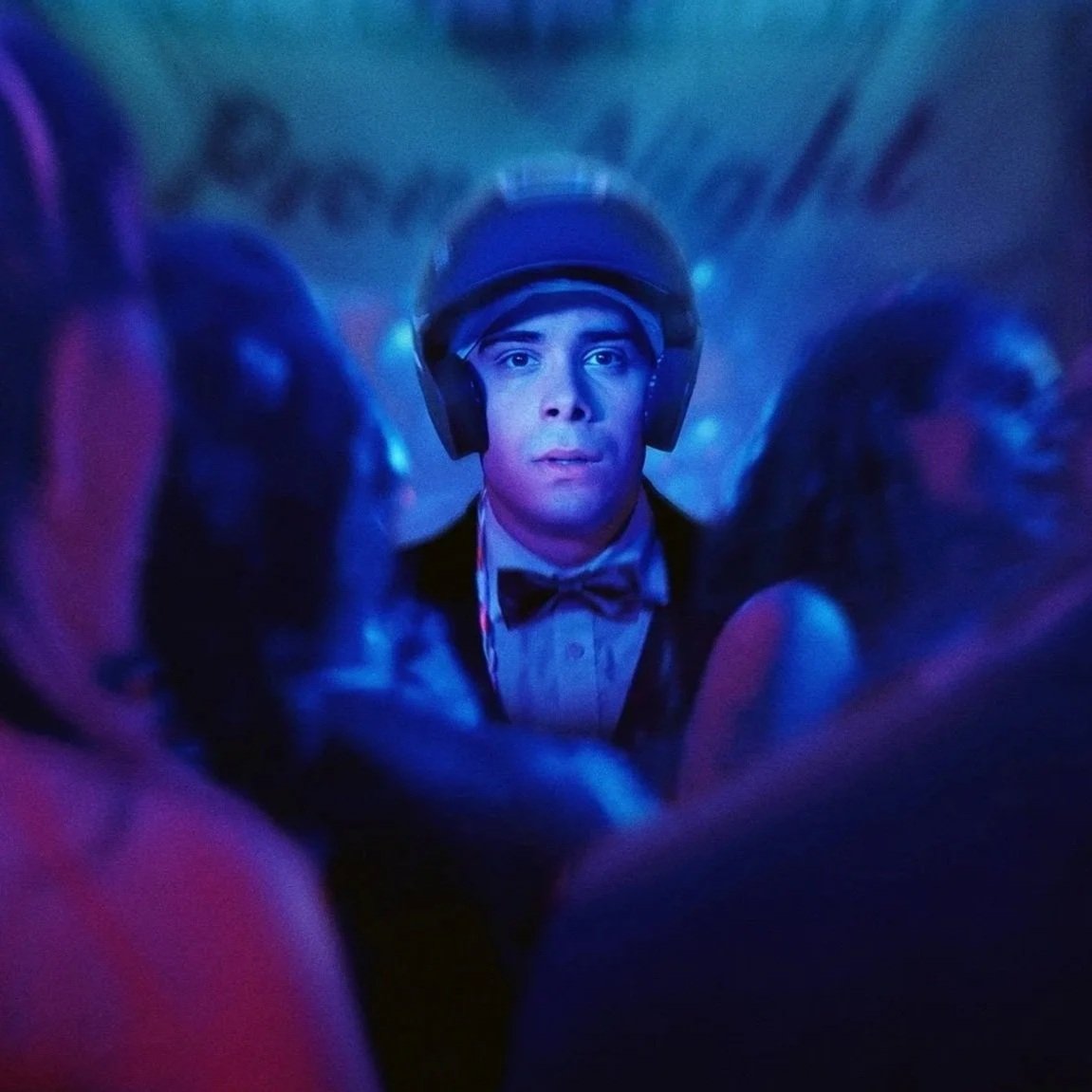
Sam faces the lights in the official Under the Lights movie poster
The Problem
Movies and video games often slap a warning on without doing any research on their own product. Have they confirmed that the lighting is risky just because it flashes? Flash and risk are not the same thing (detailed below). Flashing and STROBING are very different too.
Is the risk limited to a single scene we can identify? Does the whole film break understood guidelines? Are we making this judgement out of opinion, or the results of a real test?
Audiences are missing out because they are forced to assume the whole work is dangerous.
The fact is, tools exist to determine if scenes are safe for most viewers with photosensitive epilepsy and we should use them.
The Harding Test
The Harding Test is a ground breaking technology. It's been around for longer than you would expect. It tests video for visuals that break currently understood photosensitivity guidelines. The Harding Test asks questions that include -
How rapid are the flashes?
How much of the frame does the light take up?
How bright is it?
What color is it?
Are there any triggering visual patterns?
Often you need more than one to 'break' in order to pose a risk. The test cannot account for certain variables like your distance from the screen, whether your screen is calibrated, or the lighting conditions in the room you're in. This is the best test we have to determine if a work is safe for 'home viewing'. There is no standard for theatrical viewing because there are too many variables in the viewing experience.
In our film, no scene fails the Harding test, but we acknowledge that every person is a little different. This is where science can inform but not replace personal decision making.
Where Audiences Get it Wrong
Safety ratings based on personal opinion need to stop.
I am concerned about posts and articles that give opinion based warnings - "4 out of 5 on the flashing lights scale!" These warnings may exclude a person from enjoying the work who were set up to be totally fine. Worse, it could cause a viewer the undue anxiety that COULD trigger a seizure.
Many audiences currently lack an understanding of what is and is not dangerous about a scene.
According the The Epilepsy Foundation's research on flashing light triggered seizures:
"The flicker of the light source, and the “frequency” at which the light changes. In other words, it matters how many times the light flashes in a second." Experts they counseled came to an agreement that risk comes down to three factors:
The intensity of the light source, meaning how bright it is, as well as the “contrast” between light and dark during the flicker. The consensus recommends the contrast between alternating dark and bright images be not greater than 20 candelas per square meter (a technical measure for brightness).
The area the light stimulus occupies in the visual field. This is important because it actually determines how much of the brain gets stimulated. For instance, in the case of television viewing at a distance of about nine feet, the consensus recommends the area of the flashing stimulus on the screen be not greater than 25 percent of the total area. This also explains why most affected individuals can prevent the photosensitive reaction by simply covering one eye (monocular vision).
The pattern of the image. Static or moving patterns of discernable light and dark stripes have the same effect as flashing lights because of the alternation of dark and bright areas. The danger depends on how many and how contrasted the stripes are in the visual field. The consensus recommends no more than five pairs of stripes if they are moving within the field of vision and no more than eight pairs if they are static. About 30 percent of individuals sensitive to lights are also sensitive to patterns."
Not all movies with flashing lights are a risk to most people with photosensitive epilepsy.
What Does This Mean?
There above implies that there are plenty of films that have no flashing lights at all that ARE dangerous just because there are certain visual patterns in a scene. Conversely there are plenty of movies WITH flashing lights that wouldn't come near failing the criteria, but might be avoided by assumption. That's a shame.
So we made creative choices on set built to PASS the Harding Test.
We programmed lights to flash at a limited rate.
We framed flashing lights so that they fill a limited amount of the frame.
We largely chose colors that are known to be less risky than others.
We did not use 'strobing' light.
We modified visual patterns.
One day something went terribly wrong.
The first time we ran the film through the test, it failed. We were mortified. What scene failed?
Surely it must have been the big scary prom scene... Right?
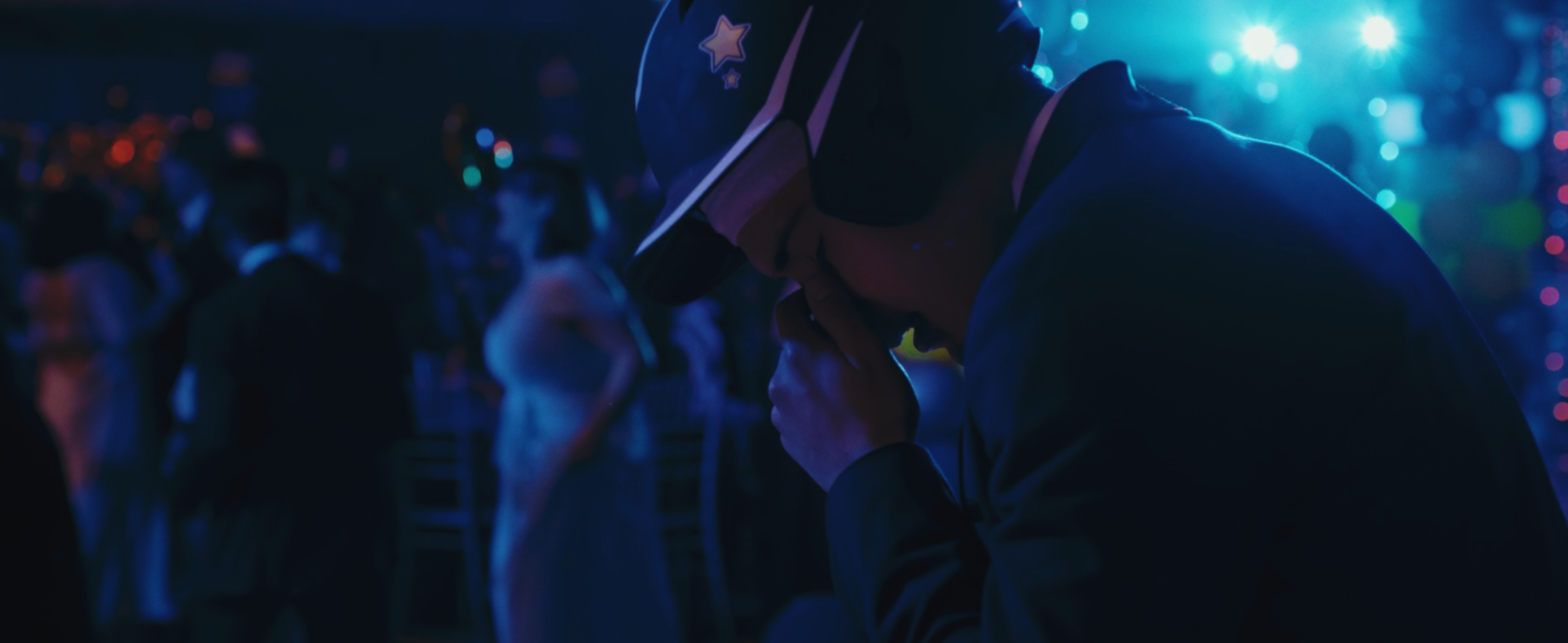
Pearce Joza faces the lights as Sam in Under the Lights
Or maybe this shot? Surely…
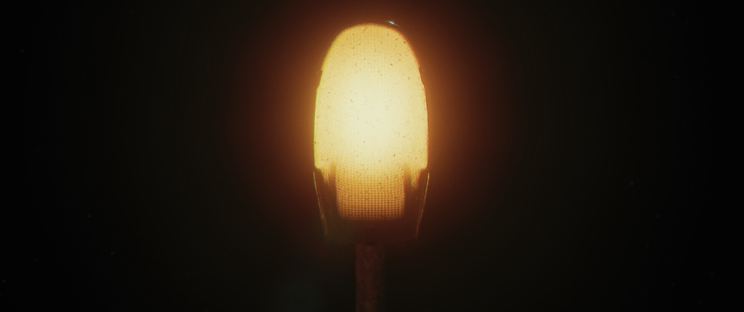
"A street light flickers" - Filmed to pass the Harding Test criteria.
Nope.
It was this shot...
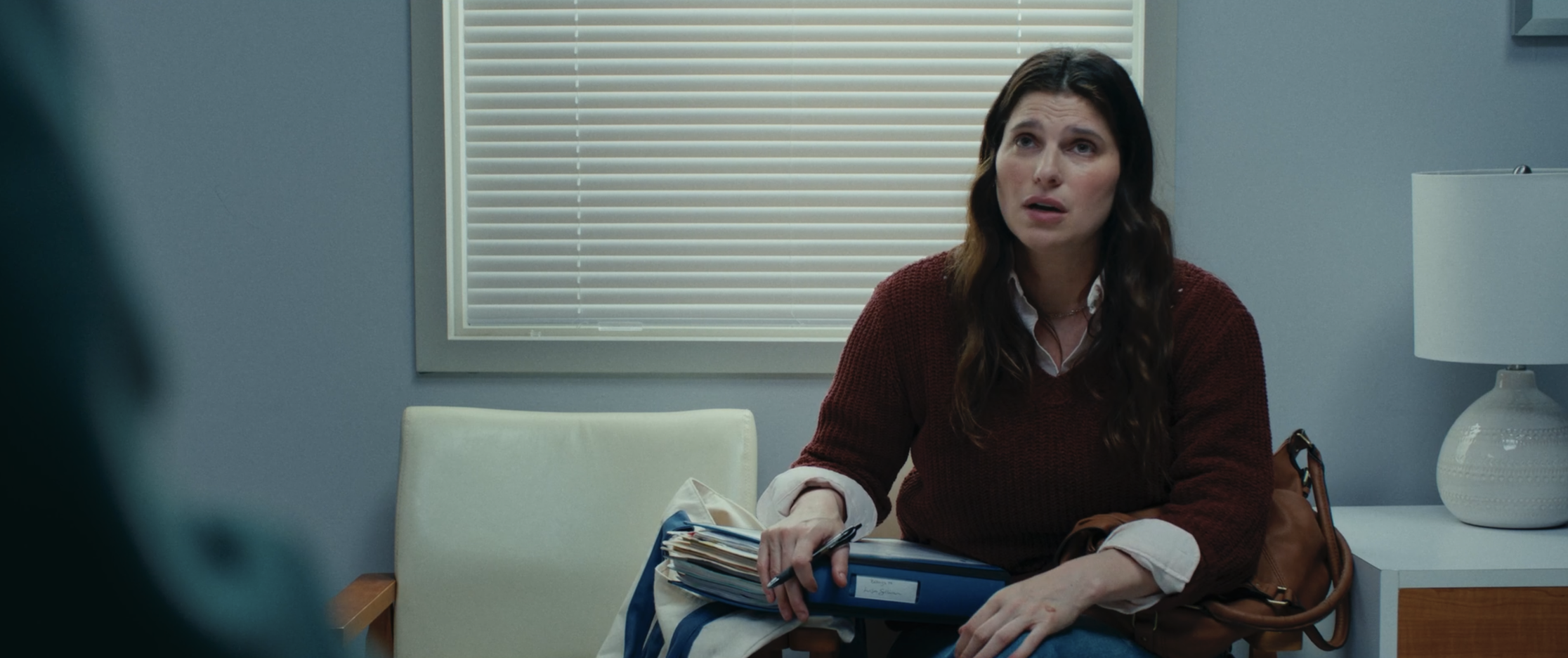
Lake Bell stars as Sam’s Mom in Under the Lights
No motion.
No flashing whatsoever.
The mild 'zebra stripes' were the most dangerous feature of the entire movie. We fixed it immediately. The above is the adjusted image.
If that doesn't make you rethink everything you thought you knew about 'epilepsy safe movies', I don't know what will. Most people have seen images like this a million times and never thought twice.
These are the serious considerations that are not, and cannot be graded in opinion pieces.
I have to imagine most of the trigger warnings we see are based on assumption and not science. Light coming through trees or a drawn curtain could be dangerous and a flash in the face totally benign. We have to do better for our viewers!
Even after making 'the right choices', the fact is there are audience members who simply struggle to watch any movie safely. There is a shared responsibility - viewers know their bodies best and should always make the final call for their unique needs.
Even with our movie passing the Harding Test, it is up to the viewer to make a personal call. The movie will include a warning at the start of the film detailing the creative choices we made and encouraging audiences to use their own discretion.
A movie is a moving picture. It is a light show flying by at twenty four frames every second. The filmmaker cannot control everything. The best we can do is create with the test in mind.
The opinions on what 'looks risky' need to stop. We have tools and we should use them.
Want more?
👉 Subscribe to this newsletter for epilepsy awareness stories and film release updates 👉
Want to know when the movie comes out?
Sign up for updates here!
